




ISLAMABAD, : TheNetwork for Consumer Protection has brought together business leaders, industry representatives and environmental enforcement officials from Islamabad and Rawalpindi to promote responsible business practices and strengthen efforts to combat air pollution during the smog season.
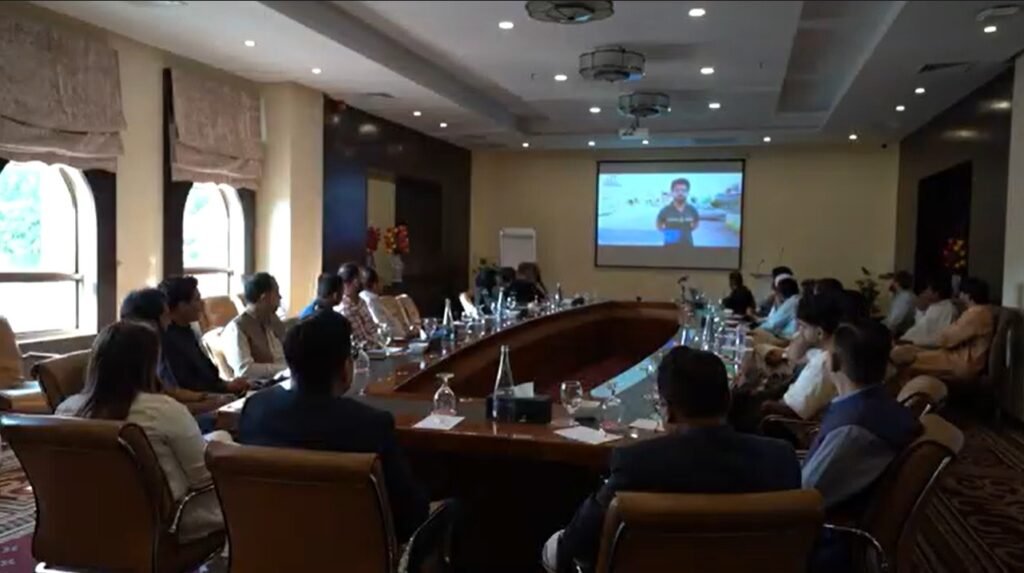
The initiative was discussed at a seminar titled “Cleaner Air through Responsible Business Practices” held at the Ramada Hotel in Islamabad, bringing together stakeholders from the transport, steel, construction, plastics, food, hospitality and waste-management sectors, along with officials from the environmental protection agencies of the twin cities.
Participants also recorded their commitments to cleaner air on a pledge wall, highlighting the need for collective action by businesses, government agencies and consumers to address worsening air quality.
Speaking at the seminar, TheNetwork Chief Executive Officer Nadeem Iqbal, who is also a member of the Council of Consumers International, said businesses must recognise their responsibility to protect public health and the environment instead of treating pollution as an unavoidable cost of economic activity.
He said the United Nations Guidelines for Consumer Protection emphasised the responsibility of businesses to safeguard consumers’ economic interests, health, safety and the environment.
Referring to Article 9-A of the Constitution of Pakistan, Iqbal said the constitutional recognition of the right to a clean, healthy and sustainable environment reinforced the need for effective measures to control air pollution.
He stressed that responsibility for clean air could not rest with the government alone, urging industries, transport operators, restaurants, manufacturers and other commercial enterprises to adopt environmentally responsible practices.
Iqbal also highlighted the role of consumers in encouraging businesses to comply with environmental standards. He said informed consumers could support responsible businesses, report harmful practices and demand cleaner production and services, while consumer organisations could facilitate cooperation between the public, businesses and regulators.
The seminar also focused on the enforcement of environmental laws during winter, when stagnant air and temperature inversions can intensify smog and worsen air quality across Islamabad and Rawalpindi.
Officials from the Pakistan Environmental Protection Agency (Pak-EPA) and the Environmental Protection Agency Punjab discussed environmental compliance, emissions monitoring and the importance of ensuring that businesses meet applicable environmental standards. They identified industrial emissions, vehicle exhaust and poorly managed waste as key contributors to deteriorating air quality.
Participants included M. Farooq Chaudhary, president of the Restaurants, Caterers, Sweets and Bakers Association; Muhammad Azaz, chairman of the IT Committee of the Islamabad Chamber of Commerce and Industry; Dr Zaigham Abbas, deputy director (Lab/NEQS) at Pak-EPA; Saad Bashir of EPA Punjab, Rawalpindi; Sarmad Iqbal, president of the Plastic Association; Raja Khakan, president of the Rawalpindi Transport Association; Chaudhary Javeed Iqbal, president of the Islamabad Transport Association; Saqib Rizwan, senior traffic warden; and Ali Hassan, manager of the Rawalpindi Waste Management Company.
Representatives from the Rawalpindi Chamber of Commerce and Industry, the goods transport sector, construction businesses and municipal management bodies also attended.
TheNetwork said the commitments made during the seminar aimed to encourage practical steps, including reducing avoidable emissions, improving energy efficiency, managing waste responsibly and strengthening compliance with environmental regulations.
The organisation called for sustained cooperation among businesses, government agencies and consumer groups to turn voluntary commitments into measurable improvements in air quality and protect the health of residents in the twin cities.