




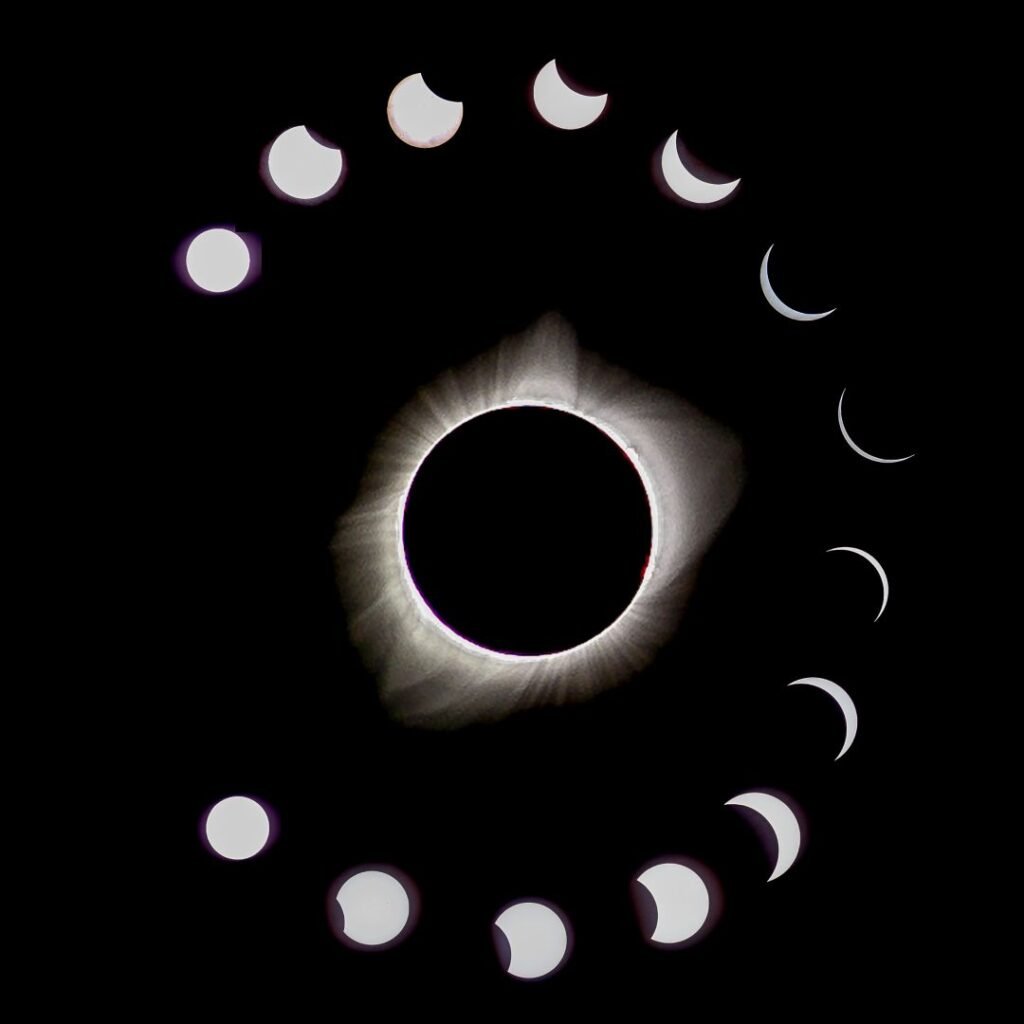
A rare total solar eclipse is set to cross parts of the Northern Hemisphere on August 12, 2026. The event is attracting attention from astronomers, photographers and skywatchers around the world.
During a total solar eclipse, the Moon moves directly between the Earth and the Sun. For a short period, the Moon blocks the Sun’s bright surface. This creates a dramatic view of the solar corona around the Moon.
Where Will the Eclipse Be Visible?
The total eclipse will be visible along a narrow path across parts of Greenland, Iceland and Spain. Other areas will see a partial eclipse.
The exact view will depend on location and weather conditions. People outside the path of totality may still see the Moon cover part of the Sun.
Why Is This Eclipse Important?
Total solar eclipses are relatively rare at any single location. The path of totality is also limited, so many people travel to areas where the eclipse can be seen in full.
The event is expected to create strong interest among tourists and astronomy enthusiasts. Hotels, travel companies and local communities in viewing areas may also see increased activity.
How to Watch the Eclipse Safely
Looking directly at the Sun can seriously damage the eyes. Ordinary sunglasses are not enough to provide safe protection during a partial eclipse.
Skywatchers should use approved solar viewing glasses or other proper solar viewing equipment. People can also use indirect viewing methods to observe the eclipse without looking directly at the Sun.
A Special Moment for Skywatchers
The August 12 eclipse will offer a rare opportunity to watch one of nature’s most impressive astronomical events.
For people in the path of totality, the daytime sky will briefly become much darker as the Moon covers the Sun. The experience is expected to attract visitors and astronomy fans hoping to witness the event in person.