




WASHINGTON: US President Donald Trump has refused to accept personal responsibility for the Republican Party’s sweeping midterm election losses, blaming defeated candidates and campaign failures while insisting that the results do not reflect a rejection of his presidency.
In a phone interview with Fox News broadcast early Wednesday, Trump acknowledged that Democrats had run effective campaigns but argued that Republican candidates had failed to secure enough support from voters.
“The Democrats did a good job. They fought hard,” Trump said.
Asked whether the Republican defeat represented a setback for his leadership, the president dismissed the suggestion, claiming his administration had delivered historic achievements.
“I don’t view it as a hit on me. We’ve had the greatest two years in the history of the presidency,” he said.
Trump Shifts Blame to Defeated Candidates
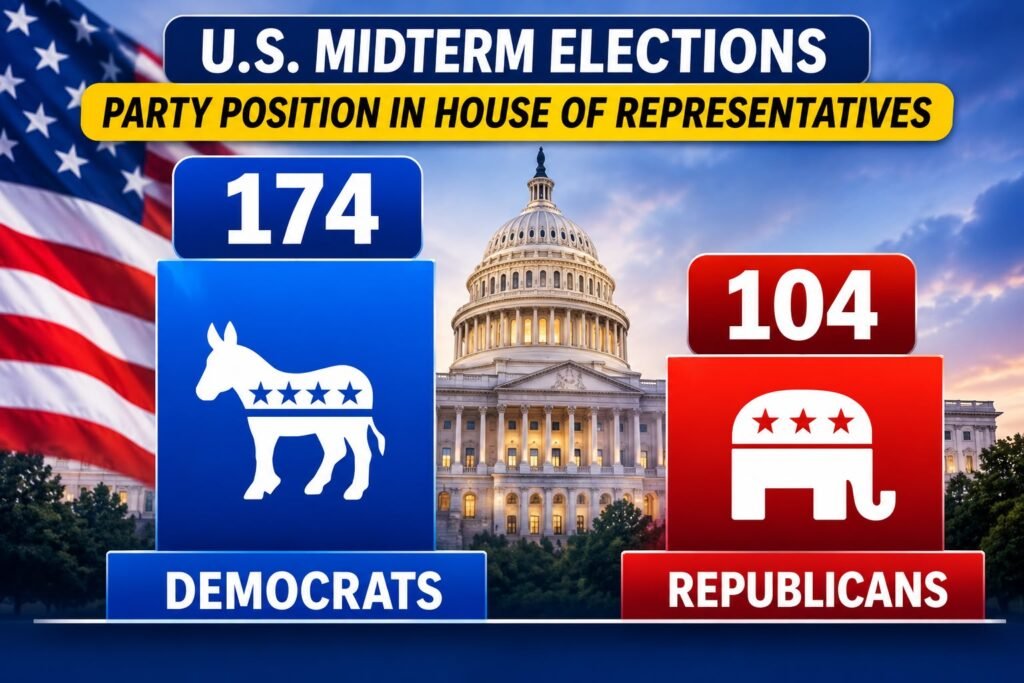
Several Republican candidates backed by Trump lost key races in states he had comfortably carried during the 2024 presidential election, raising questions about his influence over the party’s electoral performance.
Rather than accepting voter dissatisfaction as a reason for the losses, Trump criticised the candidates and their inability to mobilise sufficient support.
In an interview with The New York Times, he argued that his absence from the ballot had contributed to the Republican defeat.
“I wasn’t on the ticket, and because I wasn’t on the ticket, we couldn’t get enough people out to vote,” he said.
Trump also took to his Truth Social platform, claiming Republicans would have won in a “landslide” if he had been a candidate.
White House officials also sought to place responsibility on individual Republican nominees, arguing that candidate quality and campaign strategies had played a decisive role. One official claimed Trump had done more to promote certain candidates than they had done to support their own campaigns.
Economy and Iran War Fuel Voter Anger
Trump’s explanation contrasts with voter concerns highlighted in the Associated Press Voter Poll, which found that many Americans blamed his administration for rising living costs and wanted Congress to exercise stronger oversight of presidential power.
Economic pressures, increasing prices and the war with Iran were among the major issues weighing on voters.
The findings suggest that dissatisfaction over the economy and the administration’s policies may have contributed to the Republican Party’s poor electoral performance.
Democrats Gain Control of Congress
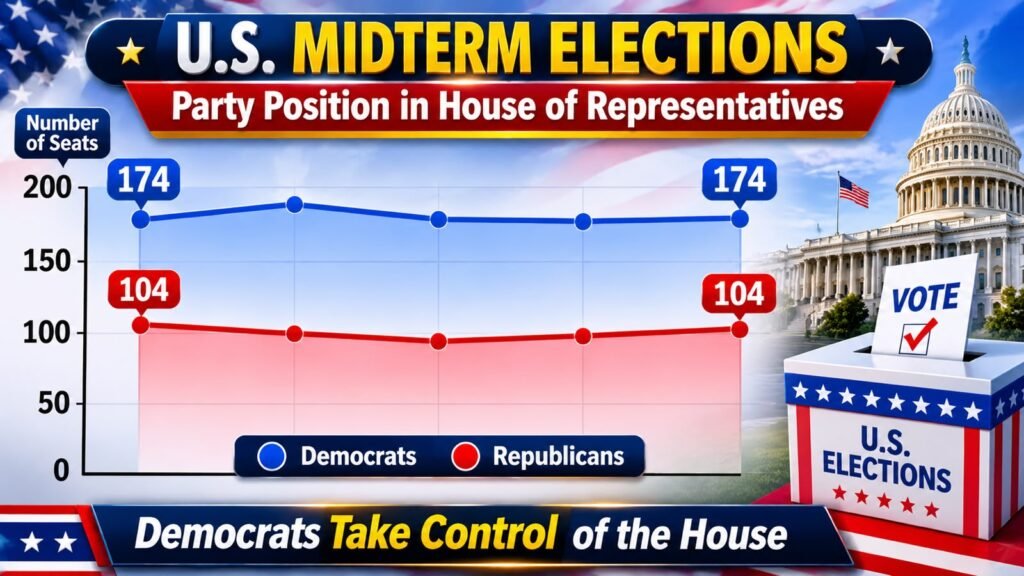
The Democratic victories have handed the party control of both chambers of Congress, giving it greater political leverage to scrutinise the Trump administration, challenge its policies and block parts of the president’s legislative agenda.
The shift in congressional power could create significant obstacles for Trump as Democrats prepare to use their strengthened position to demand greater accountability and influence national policy debates.
Trump Defends Presidency Despite Republican Setback
Despite the scale of the Republican losses, Trump has continued to defend his record and reject the idea that the election results represent a broader rejection of his leadership.
His response has focused instead on defeated candidates, campaign shortcomings and his absence from the ballot.
However, the election outcome has raised fresh questions about the Republican Party’s political strength, public confidence in the administration and the challenges Trump could face with Democrats controlling Congress.