




COPENHAGEN: Scientists have achieved a significant breakthrough in cancer drug research by successfully producing paclitaxel, an important cancer treatment drug commonly known as Taxol, using tobacco plants.
The development could reduce future reliance on rare yew trees, which have traditionally been a natural source of the valuable medicine.
The research, published in the scientific journal Nature Chemical Biology on November 23, involved researchers from the University of Copenhagen, the University of Athens and the University of Fiume.
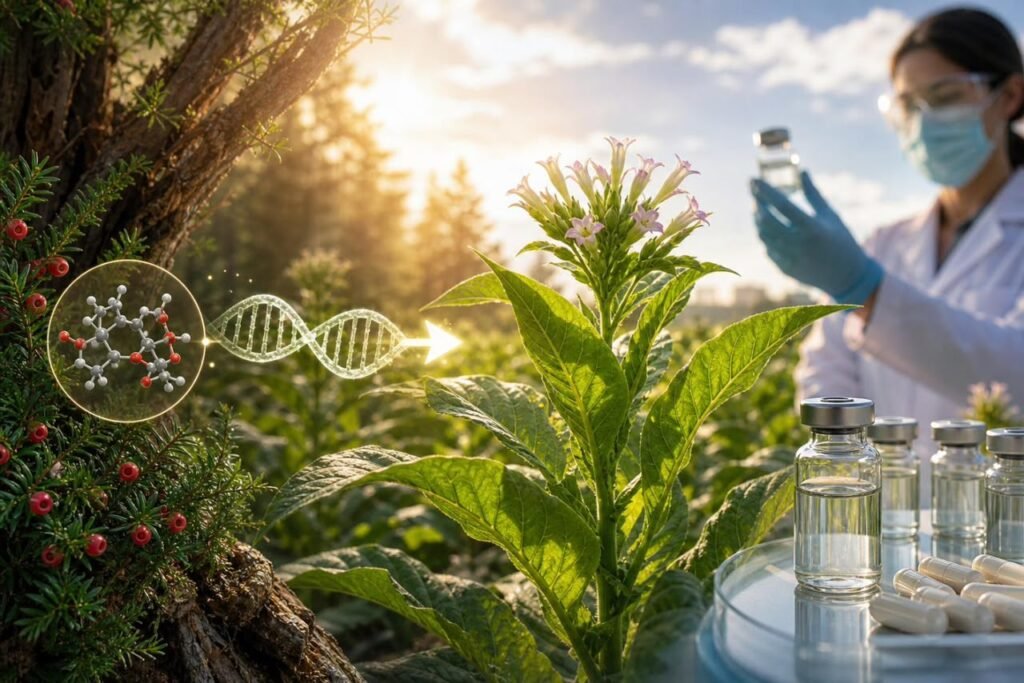
A team led by Soterios Kampranis successfully completed the entire biological production process of paclitaxel in a special tobacco species, Nicotiana benthamiana. Previous research had identified only parts of the process.
During the study, scientists used advanced nuclear magnetic resonance (NMR) techniques to verify the chemical processes taking place in different cellular compartments of the plant, including plastids, the cytoplasm and peroxisomes.
One of the most significant achievements was the genetic enhancement of the plant’s drug-producing capacity by more than 500 times.
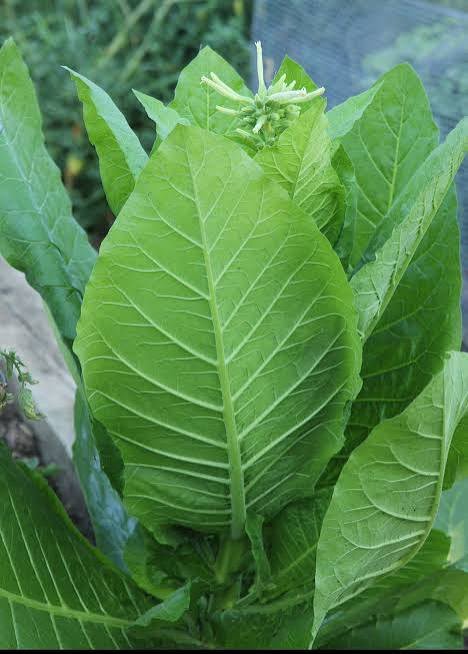
Researchers obtained 61.05 micrograms of paclitaxel from one gram of dried tobacco plant material, an amount reported to be approximately equivalent to the natural yield obtained from yew tree bark.
The breakthrough offers a potential alternative approach to producing an important cancer medicine and could help reduce dependence on traditional plant sources.